

Thanks to a generous donation, we are thrilled to announce we have a beautiful pair of 9-month-old captive-born Panther Chameleons (Furcifer pardalis) added to our collection! In Latin, furci means “forked,” due to the unique shape of their feet. Pardalis is Latin for “leopard” or “spotted like a panther.” In the wild, these chameleons are native to the island of Madagascar, off the southeast coast of Africa.
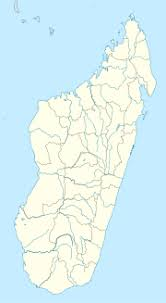
Ours have genetics from the Ambilobe region there. Their habitat is a tropical forest-edge biome, which we now replicate in our “jungle room.”
We also came across a rare species of Chameleon, commonly known as the Jeweled Chameleon (Furcifer campani), this smaller, rarer breed, have a darker pigment and are not quite as bold when fired up as the Panthers, but have their own unique charm that makes them a worthy addition.
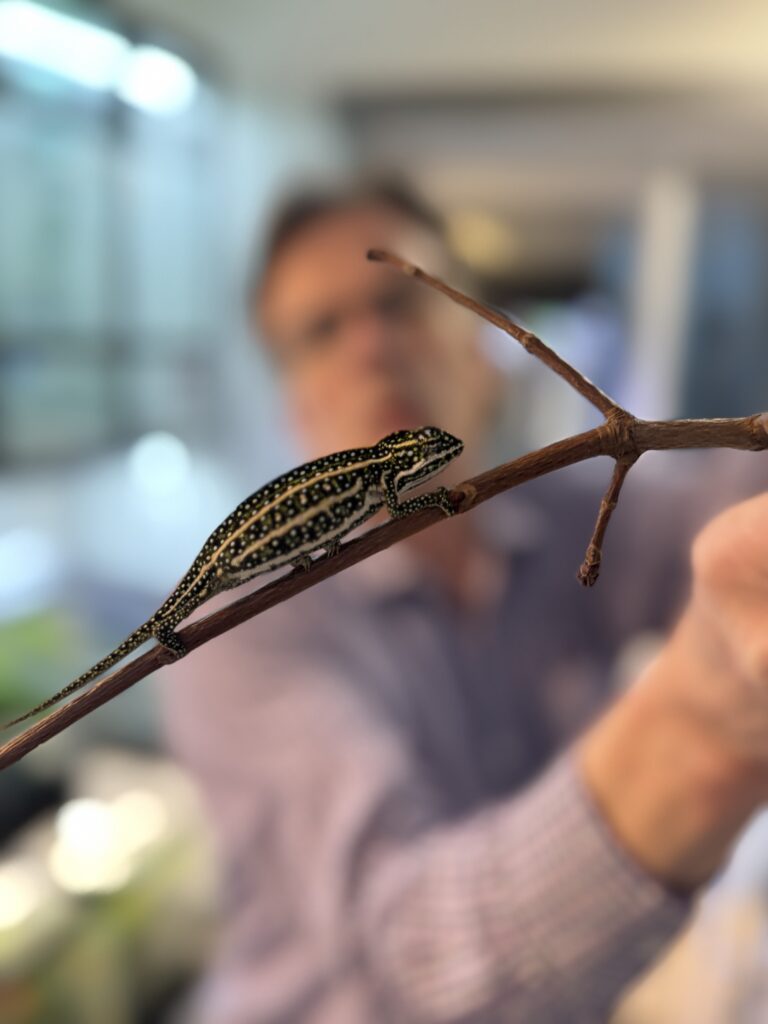
Here are some fun facts about them –
- They have their own personalities and learn to recognize and react to their personal care givers.
- On the front feet, their five toes are naturally fused into a group of three toes on the inside and a group of two toes on the outside, looking like forked mittens. On the hind feet, the arrangement is reversed!
- Like other reptiles, their skin does not stretch as they grow. Instead, they periodically shed their skin in large white flakes, making way for their new skin that is enlarging underneath.
- They possess a very long sticky retractable tongue. It may be longer than their body length! They use it to capture insects as their main diet.
- It is a myth that chameleons change color to match their surroundings. Instead, they display vibrant undulating skin color patterns to indicate their mood, to communicate with prospective mates, or ward off rivals.
- Prof. Rick will teach his students about their unique color-changing biology: It is a combination of only 3 pigment colors (black, red, yellow), combined with structural color to show off all the rest of the rainbow colors they can display. For those extra colors, internal movements of salts within the skin cause changes in the ROYGBIV color wavelengths out in the air around us to be reflected into our eyes!
- Males display vibrant color patterns, and females exhibit pastel color patterns.
- As they walk along a branch, they teeter back and forth to mimic a leaf blowing in the breeze, as a form of camouflage.
- Each eye can rotate independently, allowing them to view the world at nearly 360 degrees!
- They have a colorful throat pouch called a gular that they can flare out as a warning sign to others.

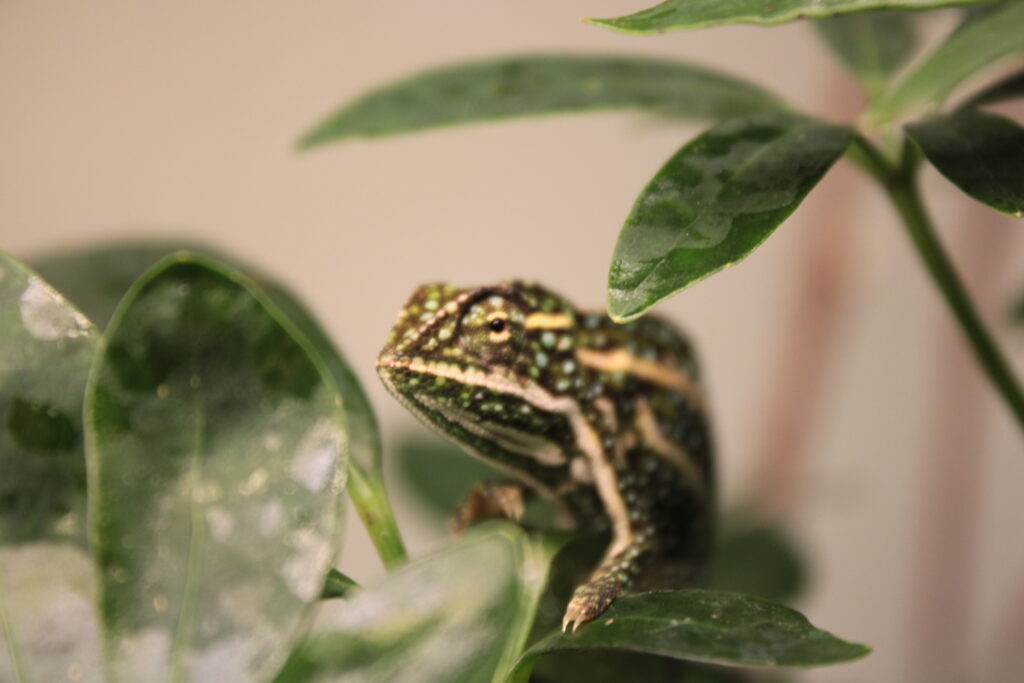
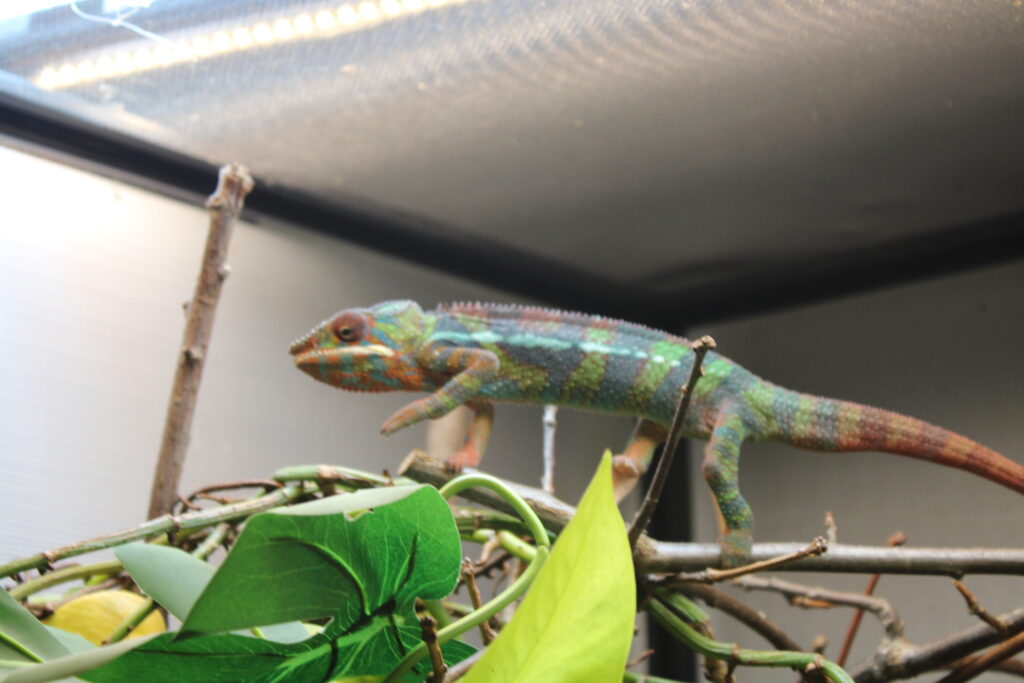
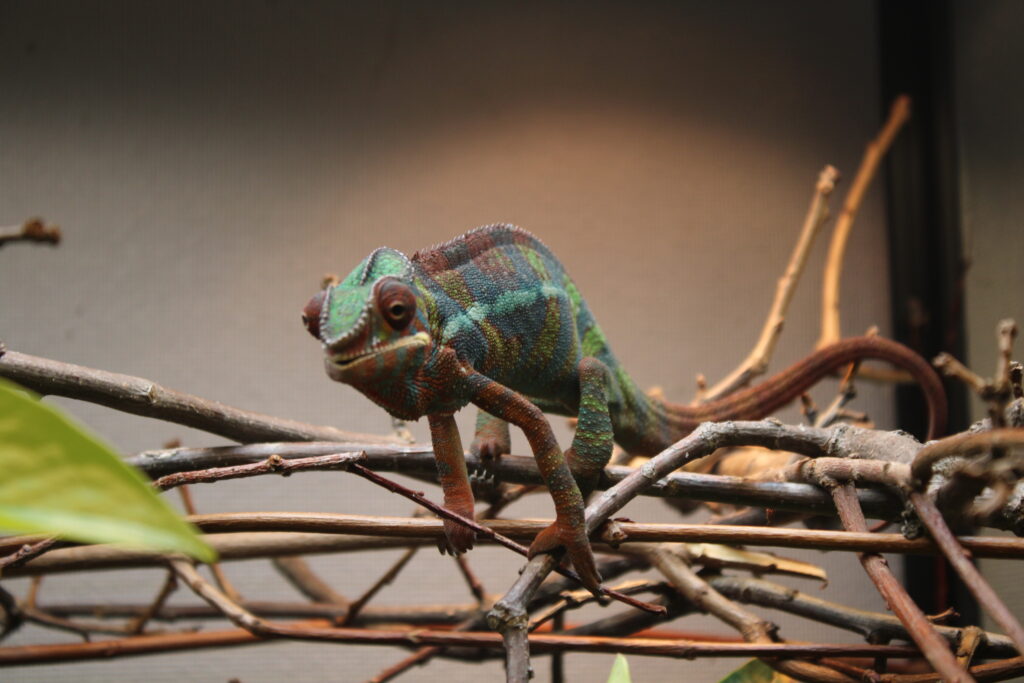
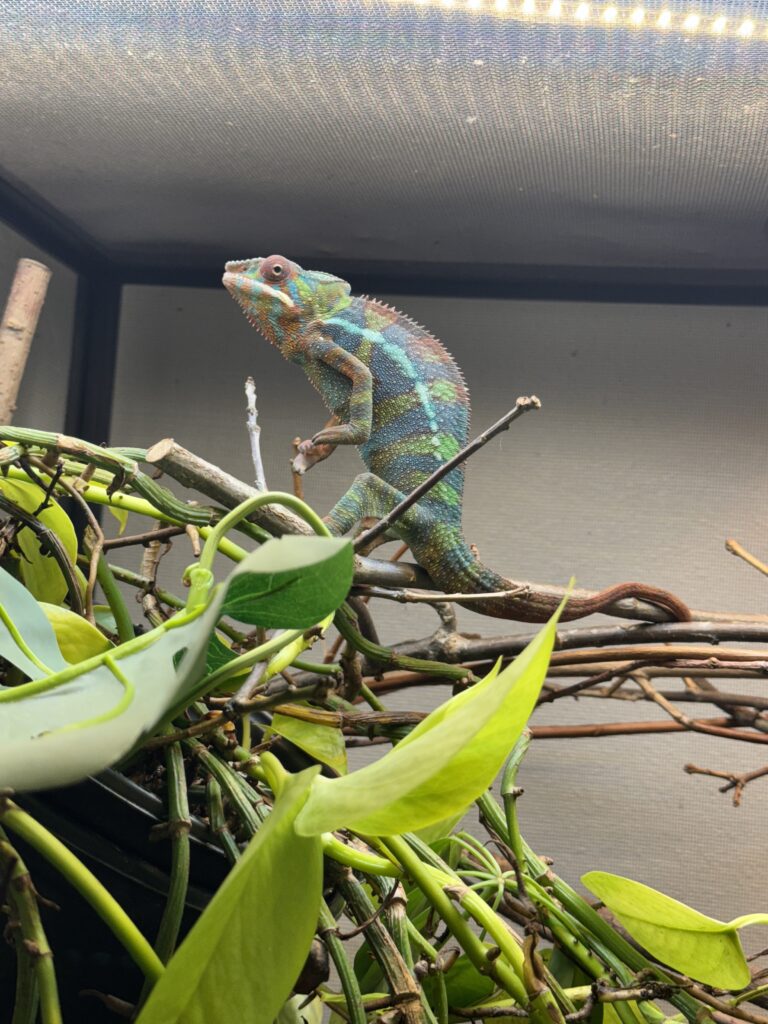
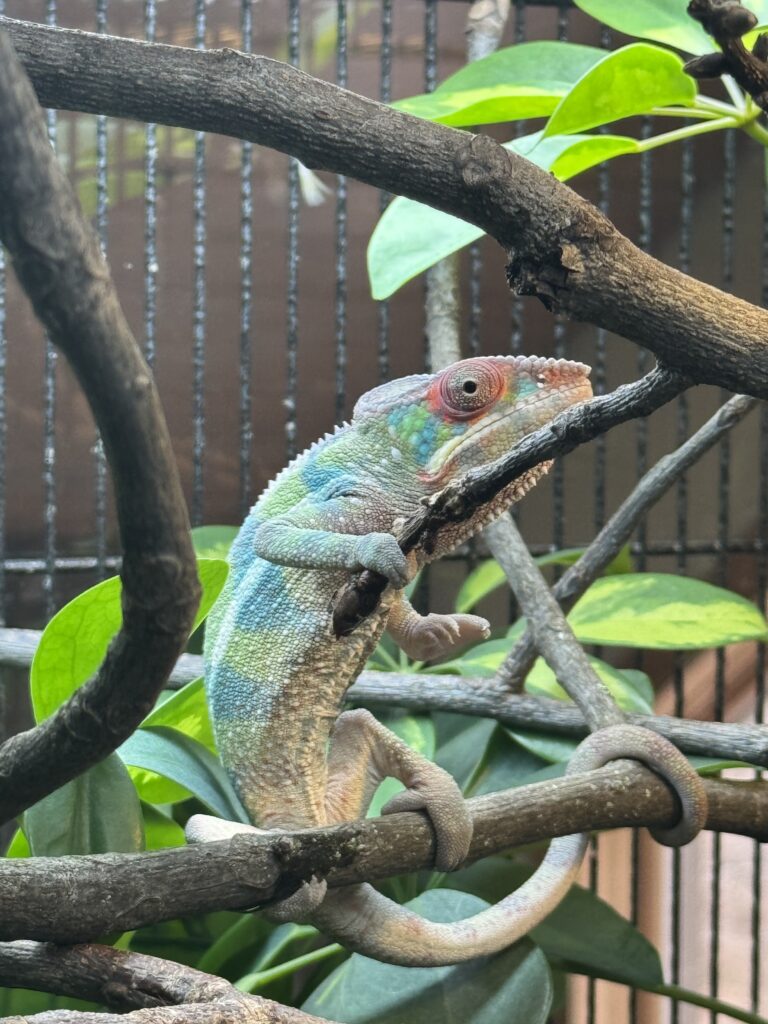
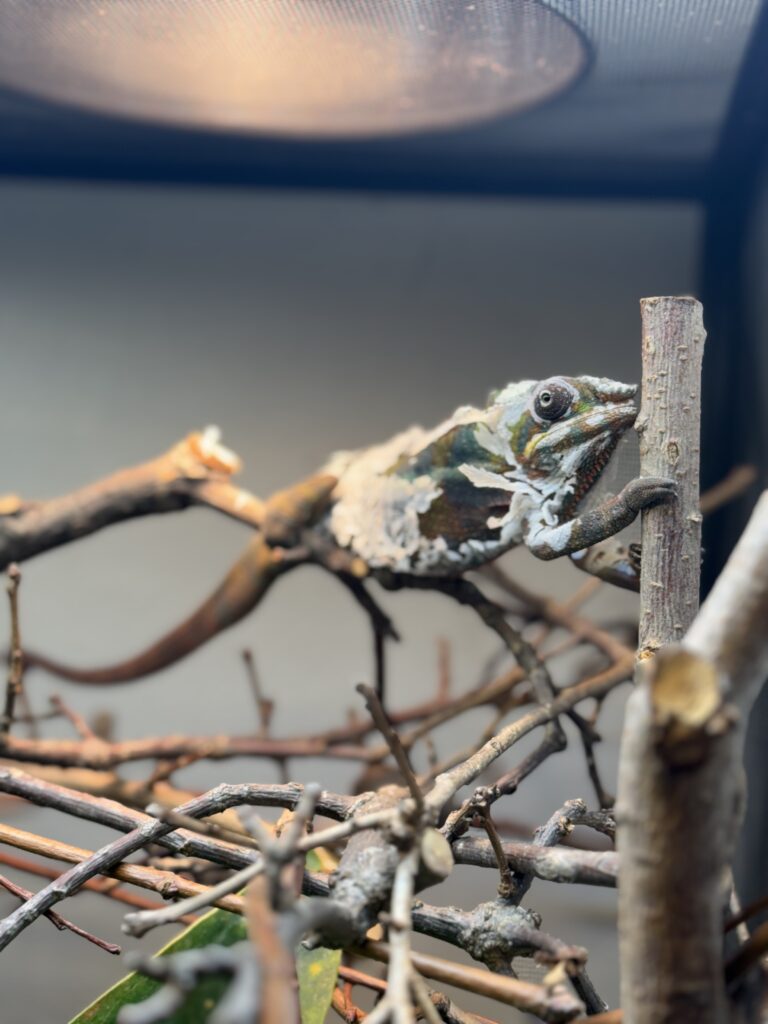

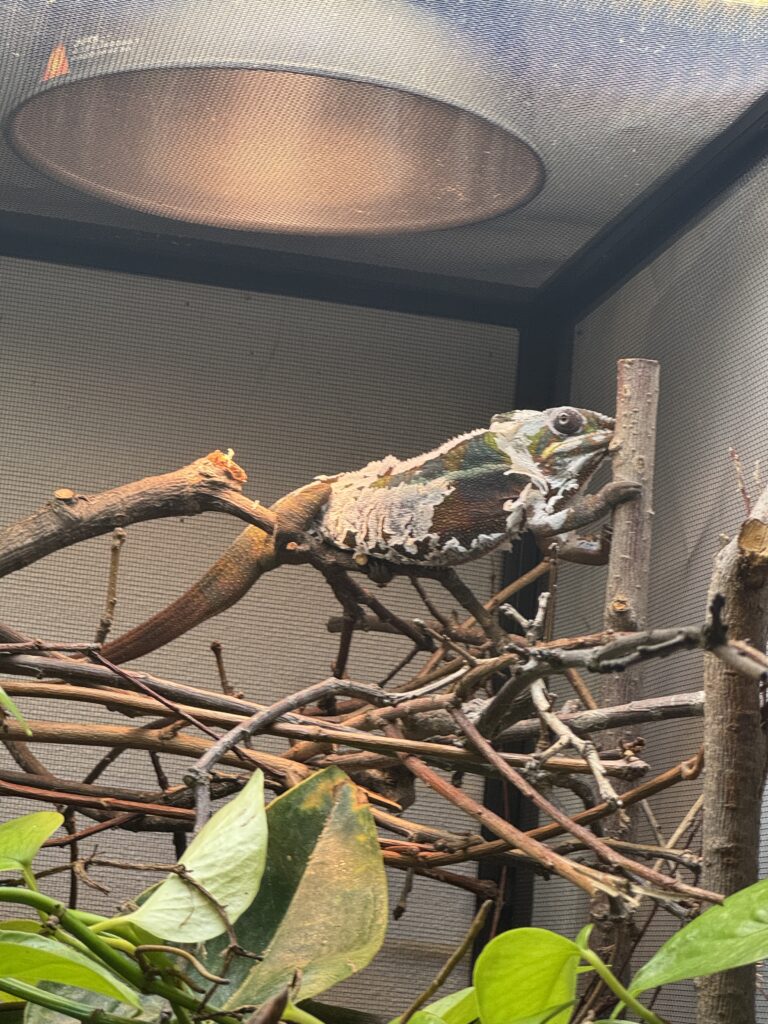
(We have a male and female of both species, bottom image shows the male panther shedding his skin)


Leave a Reply